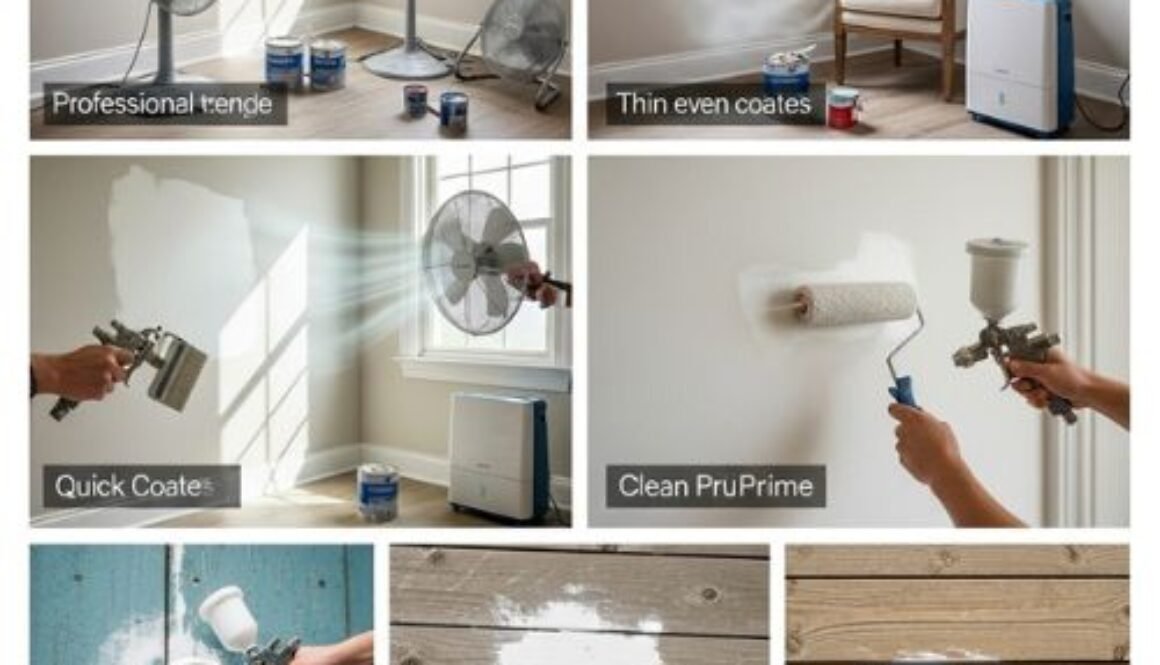
How to Make Paint Dry Faster
How to Make Paint Dry Faster
Getting paint to dry faster saves time and helps finish projects sooner without compromising quality. Drying speed depends on paint type, surface, and environmental conditions. Using the right techniques, tools, and preparation can significantly reduce wait time while keeping a smooth, durable finish. At Silver Painters, experts apply proven methods to help paint dry efficiently for professional-looking results every time.
Step-by-Step Guide to Make Paint Dry Faster
Waiting for paint to dry can slow down your project, but following the right steps helps speed up the process safely and effectively. Drying time depends on paint type, room conditions, and how the paint is applied. Using a combination of airflow, temperature control, humidity management, and proper application techniques ensures faster and even drying. Paying attention to these details also prevents streaks, bubbles, or cracking. By following a structured approach, you can complete your painting projects sooner while achieving a smooth, professional finish.
1- Increase Airflow in the Room
Good airflow helps moisture in the paint evaporate faster, reducing overall drying time. Open windows and doors to allow fresh air to circulate throughout the space, and use fans to move air across painted surfaces. Cross-ventilation pushes the damp air out and brings in fresh air, which speeds up drying while preventing the paint from settling too slowly.
2- Adjust Room Temperature
Warm air encourages water or solvent in the paint to evaporate more quickly. Keep the room at a consistent, comfortable warmth around 70–75°F (21–24°C) without using direct heat sources that could damage the paint. Maintaining a steady temperature ensures the paint dries evenly across walls, ceilings, and trim, reducing the chance of streaks or cracking.
3- Reduce Humidity
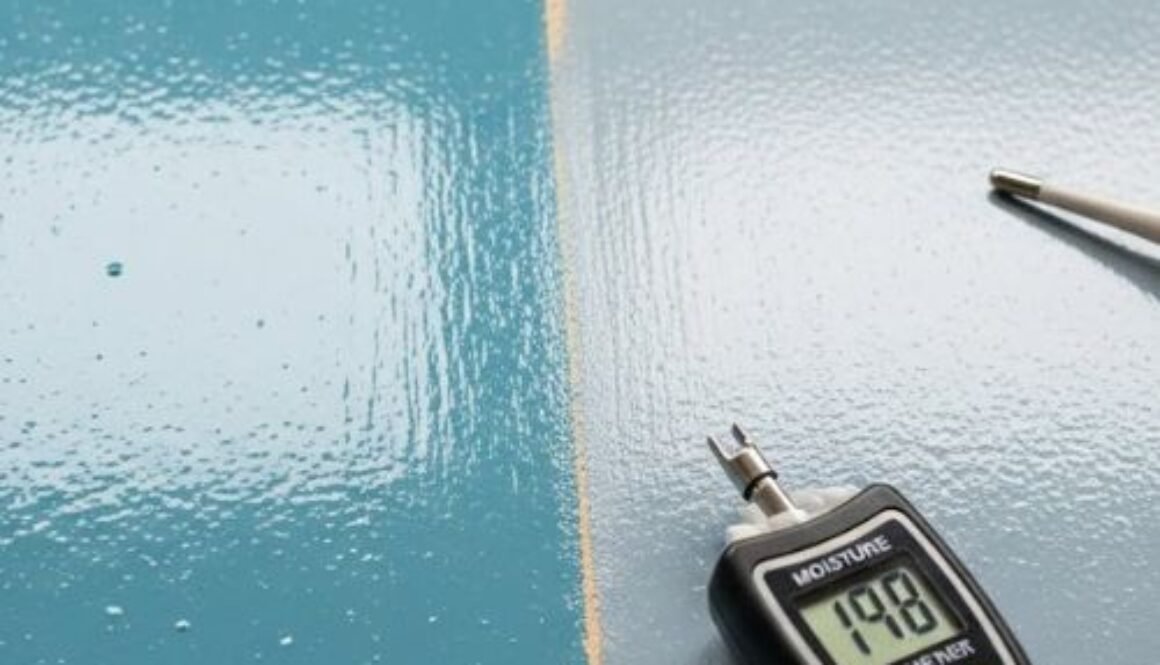
High humidity slows down evaporation and increases drying time, especially for water-based latex paints. Use a dehumidifier in damp rooms or avoid painting during rainy days to keep the air dry. Low moisture levels allow paint to set faster and help achieve a smooth, flawless finish without smudging.
4- Apply Thinner Coats
Thick layers of paint take much longer to dry, so applying thinner, even coats speeds up the process. Multiple thin layers provide better coverage and prevent paint from pooling or running. Allow each coat to dry fully before adding the next, ensuring a smooth and durable finish that dries faster overall.
5- Use a Hair Dryer or Heat Gun Carefully
For small areas or touch-ups, a hair dryer or heat gun on low heat can help paint dry faster. Keep the device moving constantly to avoid overheating or causing bubbles and cracks. This method works best for minor spots and should not be used on large wall surfaces to prevent damage.
6- Choose Quick-Dry Paint Options
Using paints designed to dry faster can save time and allow for quicker recoating. Quick-dry latex and some oil-based paints can be ready to touch in 30–60 minutes. Always check the manufacturer’s instructions for recommended drying times to ensure optimal results and avoid smudging or uneven surfaces.
7- Keep the Area Dust-Free
Dust, dirt, or pet hair can stick to wet paint, slowing drying and ruining the finish. Clean the room thoroughly before painting and keep it protected while the paint dries. A tidy environment allows paint to dry evenly, leaving a smooth, professional-looking surface in less time.
Understanding Paint Drying Process
Knowing how paint dries is crucial for achieving a smooth, durable finish. Drying is not just about waiting; it involves chemical and physical processes that determine how well the paint adheres, cures, and protects the surface. Understanding these processes helps prevent common problems like peeling, bubbling, or uneven coverage and ensures the final coat lasts longer.
How Paint Dries
Paint dries through a combination of evaporation and chemical curing. The process differs depending on whether the paint is water-based or oil-based. Each type reacts differently to temperature, airflow, and humidity, and improper drying can compromise the durability and appearance of the finish.
- Evaporation vs. curing: Water-based vs. oil-based paints
Water-based paints, like latex, dry mainly through evaporation of water. Oil-based paints rely on a chemical curing process, where solvents react with oxygen to harden the paint. Understanding this distinction helps determine drying times and when recoating is safe. - Chemical reactions involved in hardening
During curing, the paint’s binders undergo chemical changes that transform it from liquid to solid. This process creates the toughness and adhesion needed for a durable surface. Rushing this step can weaken the coat and cause peeling or cracking over time. - How improper drying affects finish and durability
If paint dries too quickly or too slowly, it can cause issues such as streaks, bubbles, or uneven textures. Moisture trapped beneath the surface can lead to peeling, blistering, or color inconsistencies, reducing the overall lifespan of the paint.
Factors That Naturally Affect Drying
Several factors influence how fast paint dries and cures. Recognizing these helps optimize the process and prevents mistakes that compromise quality.
- Paint thickness and application method
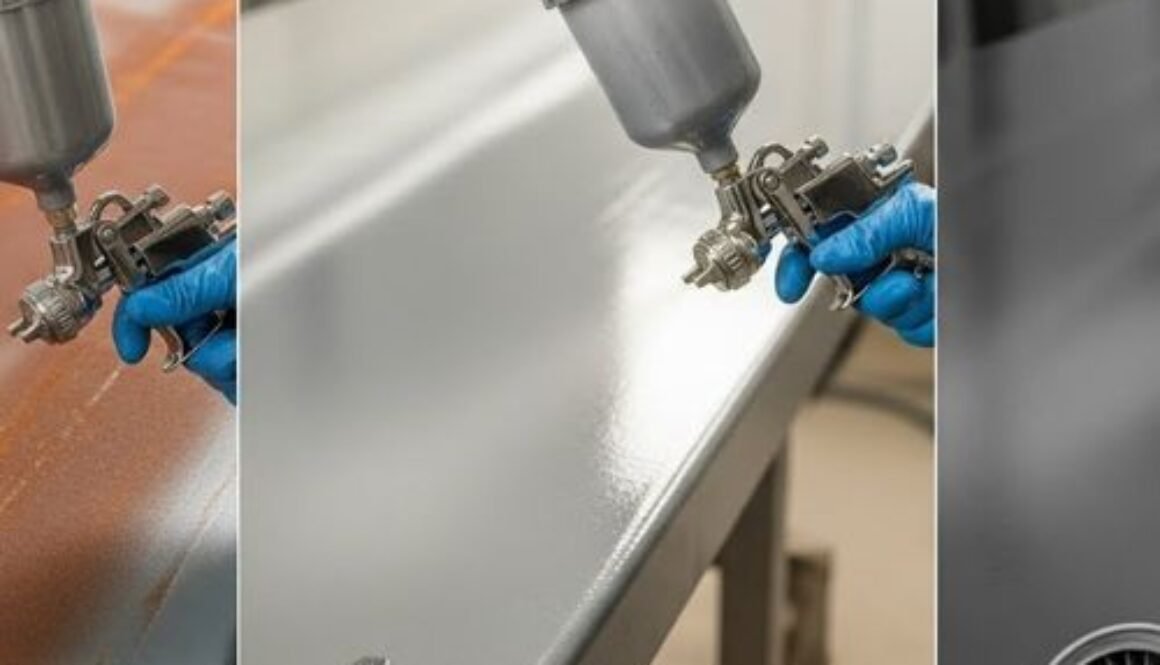
Thicker coats take longer to dry because solvents or water must evaporate from the deeper layers. Applying paint in thin, even layers accelerates drying and ensures a smooth finish. Sprayers, rollers, and brushes affect how quickly a coat sets. - Ambient temperature and humidity
Warm, dry conditions speed up evaporation and curing, while cold or humid environments slow the process. High humidity traps moisture in the paint, increasing drying time and the risk of surface defects. - Ventilation and airflow
Good air circulation carries away solvents and water vapor, accelerating drying. Poor airflow can trap fumes and moisture, leading to longer drying times, uneven surfaces, or odor problems. - Surface material and porosity
Porous surfaces like wood absorb paint differently than metal or plastic, affecting drying speed. Bare or untreated surfaces may take longer to set, while previously painted or sealed surfaces often dry faster. Understanding the material ensures better timing for recoating.
Common Mistakes That Make Paint Dry Slowly
Several common mistakes can significantly extend paint drying times and affect the final finish. Many of these errors come from rushing the process, using improper techniques, or neglecting preparation. Recognizing what slows drying helps achieve a smooth, durable, and long-lasting coat.
Overloading Paint or Thick Coats
Applying too much paint at once is one of the main reasons coats take longer to dry. Thick layers trap solvents or water inside the paint, preventing proper evaporation and curing. This often leads to surface problems that reduce both durability and appearance.
- When paint is applied in heavy coats, the top layer may dry while the bottom remains wet. The trapped solvents extend drying time and can create soft spots or tacky areas.
- As the trapped solvents eventually try to evaporate, the paint may crack, wrinkle, or peel. This compromises the finish and may require sanding and repainting.
- Thick coats often result in uneven surfaces that don’t bond properly with the underlying layer, causing bumps, streaks, or patchy coverage.
Poor Ventilation or Airflow
Lack of proper airflow can slow evaporation, leaving the paint wet for longer and increasing the risk of defects. Stagnant air also traps fumes, which can affect safety and indoor comfort.
- Without moving air, moisture and solvents remain in the paint longer, slowing both drying and curing times.
- Trapped moisture can create bubbles or blisters on the surface, especially on porous or uneven materials.
- Limited airflow can lead to streaks, uneven sheen, and weaker adhesion between coats, reducing durability over time.
Ignoring Surface Prep
Surface preparation is often overlooked, but it plays a crucial role in how quickly paint dries and how well it adheres. Dirt, dust, oils, or moisture on the surface interfere with proper curing.
- Contaminants on the surface create a barrier that prevents solvents or water from evaporating efficiently, increasing drying time.
- Cleaning, sanding, and priming before painting ensures a smooth, dry base that allows paint to cure evenly and adhere properly.
- Skipping preparation may result in peeling, flaking, or uneven color, forcing touch-ups or full repainting sooner than expected.
Conclusion:
Proper drying is key to achieving a smooth, durable, and long-lasting paint finish. Paying attention to paint type, surface preparation, coat thickness, and environmental conditions speeds up drying and prevents common issues like peeling, streaks, or uneven color. Using good airflow, thin layers, and clean, primed surfaces ensures each coat cures correctly. Following these steps helps save time, enhances the finish, and extends the life of painted surfaces.