Interior Painting Mistakes Dubai Homeowners Should Avoid
Introduction
Interior painting is one of the most effective ways to refresh a home’s appearance, improve comfort, and increase overall property appeal. In Dubai, where homes experience constant air-conditioning, dust exposure, and humidity fluctuations, interior painting requires more than just choosing a nice color. Unfortunately, many homeowners rush the process or rely on incomplete information, leading to disappointing results and unnecessary repainting costs.
Choosing a reliable painting service in Dubai helps homeowners avoid common pitfalls that affect durability, finish quality, and long-term maintenance. Professional painters understand the technical demands of Dubai homes and approach painting as a structured process rather than a cosmetic task.
This blog explores the most common interior painting mistakes Dubai homeowners make and explains how avoiding them leads to better finishes, longer-lasting results, and improved living spaces.
Choosing Paint Based Only on Color
Color selection is often the first and only thing homeowners focus on, but choosing paint purely based on shade is a costly mistake. Paint performance depends on factors such as room usage, exposure to moisture, and daily wear. A color that looks appealing on a sample card may perform poorly once applied to real walls. Bedrooms, living rooms, kitchens, and bathrooms all require different paint properties.
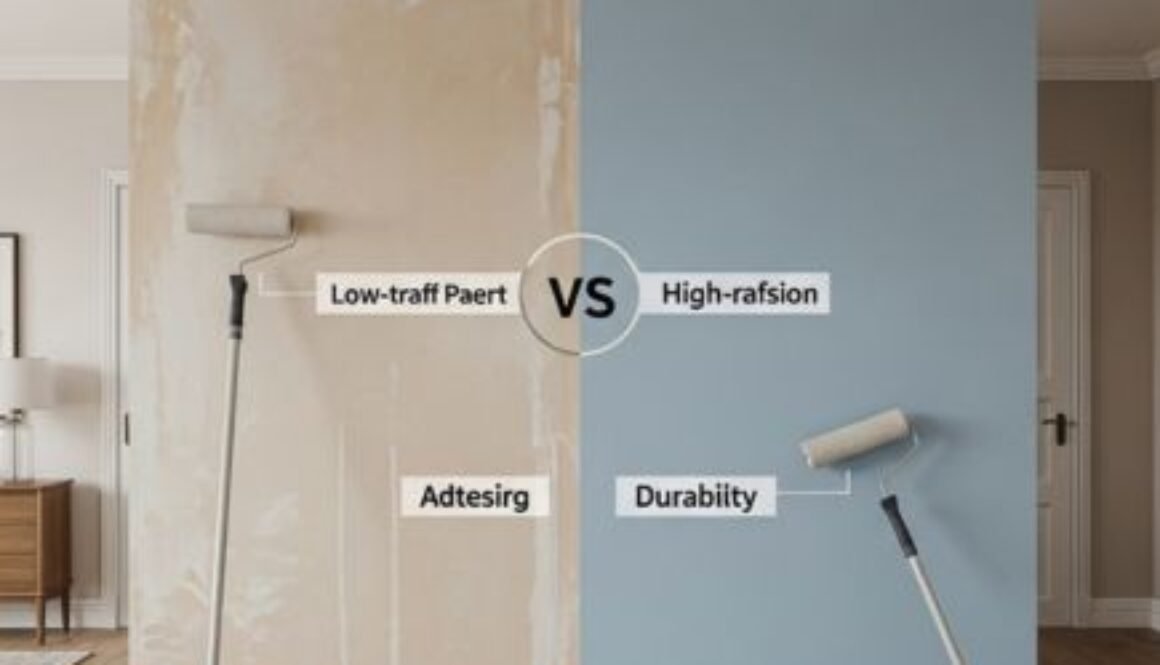
High-traffic areas need durable finishes, while moisture-prone spaces require resistance against humidity and stains. Ignoring these differences leads to early deterioration and frequent touch-ups. An expert interior painting service in Dubai considers both aesthetics and performance. This ensures that the chosen paint not only looks good but also withstands daily living conditions.
Skipping Proper Wall Preparation
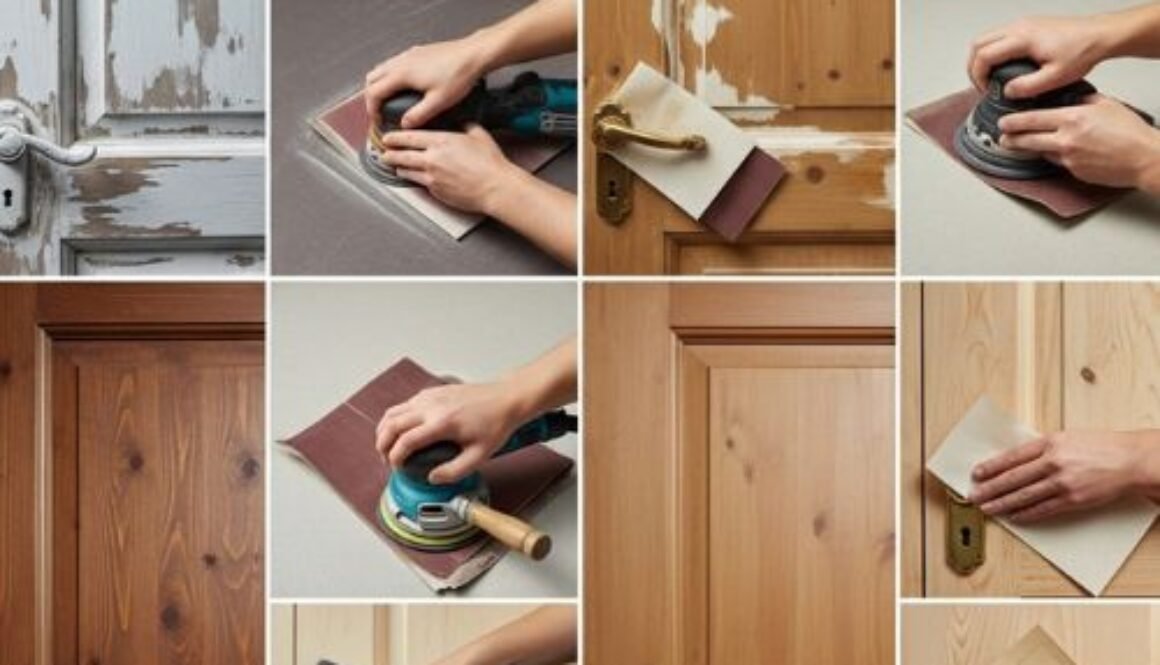
Wall preparation is one of the most overlooked yet critical stages of interior painting. Many homeowners assume that paint alone can cover imperfections, but cracks, dents, stains, and uneven surfaces will always show through if not addressed properly. Painting over dirty or damaged walls leads to peeling, bubbling, and inconsistent texture. Dust, grease, and old paint residue prevent proper adhesion, reducing the lifespan of the paint.
Common preparation mistakes include:
- Ignoring surface cleaning
- Leaving cracks un-repaired
- Skipping sanding for smoothness
Professional painters treat preparation as a non-negotiable step, ensuring that the final finish looks refined and lasts longer.
Using the Wrong Paint Finish Indoors
Paint finish has a major impact on appearance, maintenance, and durability. Many homeowners choose finishes based on appearance alone, without understanding how they behave in real-life conditions. Matte finishes can absorb stains easily, while glossy finishes can exaggerate wall flaws. Each finish serves a specific purpose depending on lighting, wall condition, and room function.
Choosing incorrectly can result in dissatisfaction shortly after the project is completed. The best interior painting services in Dubai help homeowners select finishes that complement interiors while offering practical benefits such as easy cleaning and long-term durability.
Ignoring Dubai’s Indoor Environment
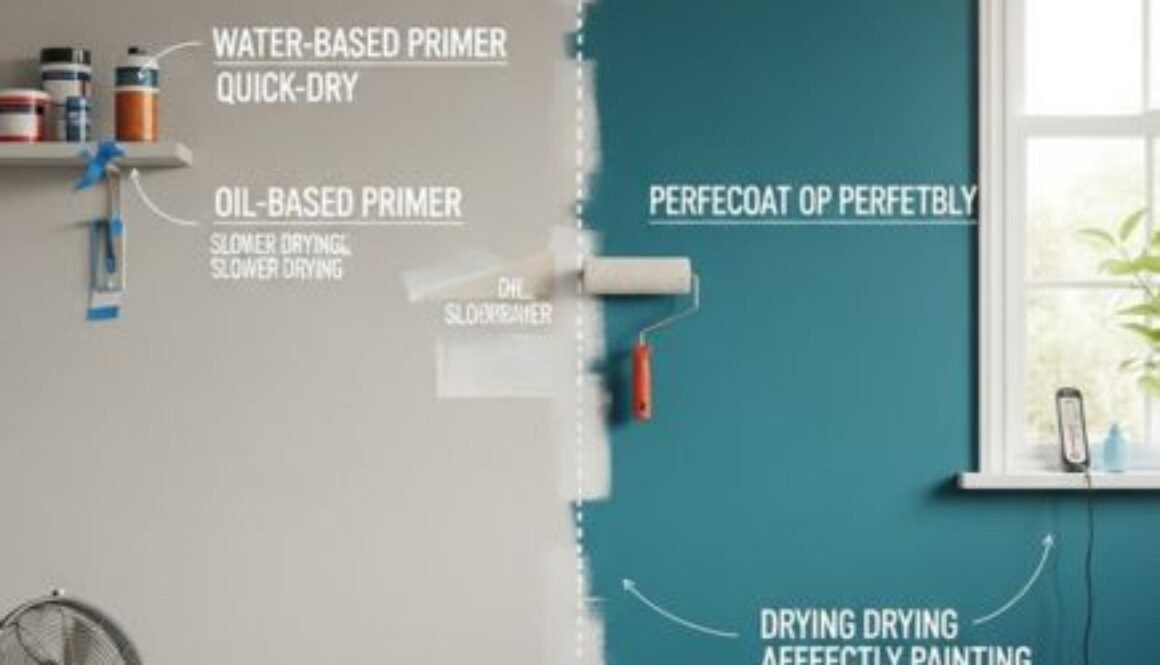
Dubai homes rely heavily on air-conditioning throughout the year. Constant temperature changes, combined with humidity and limited ventilation, affect how paint dries and ages. Paint that is not suitable for these conditions may crack, discolor, or lose adhesion over time.
Low-quality paints struggle under continuous cooling cycles and moisture exposure.
These issues may not appear immediately, but gradually compromise wall integrity. A professional interior painting service in Dubai selects materials designed to perform well under local environmental conditions, protecting walls and maintaining interior quality.
Poor Lighting Consideration During Color Selection
Lighting plays a crucial role in how paint colors appear inside a home. Natural light, artificial lighting, and room orientation can significantly alter the appearance of a chosen shade. Many homeowners select colors under showroom lighting without testing them in actual room conditions. Once applied, the color may appear darker, flatter, or inconsistent across different rooms.
This often leads to regret and unnecessary repainting. Professional painters recommend testing samples on walls and observing them at different times of day. This ensures the final color aligns with expectations and complements the interior environment.
Attempting DIY Painting Without Experience
DIY interior painting is a common attempt to save money, but it often results in uneven coats, visible brush strokes, and inconsistent coverage. Without professional tools and techniques, achieving a smooth and balanced finish is difficult.
DIY mistakes typically include:
- Uneven roller pressure
- Incomplete edge work
- Paint splashes on fixtures
Hiring an interior painting expert in Dubai ensures precision, efficiency, and a clean finish that DIY methods rarely achieve.
Rushing the Painting Process
Interior painting requires patience. Rushing through coats, ignoring drying times, or applying paint too thickly weakens adhesion and causes long-term defects. Many homeowners push for fast completion without understanding the consequences. Paint needs time to dry, cure, and settle properly. Skipping these steps results in peeling, cracking, and uneven texture over time. Professional painters follow structured timelines that prioritize quality over speed, ensuring that the finished result remains intact for years.
Neglecting Furniture and Surface Protection
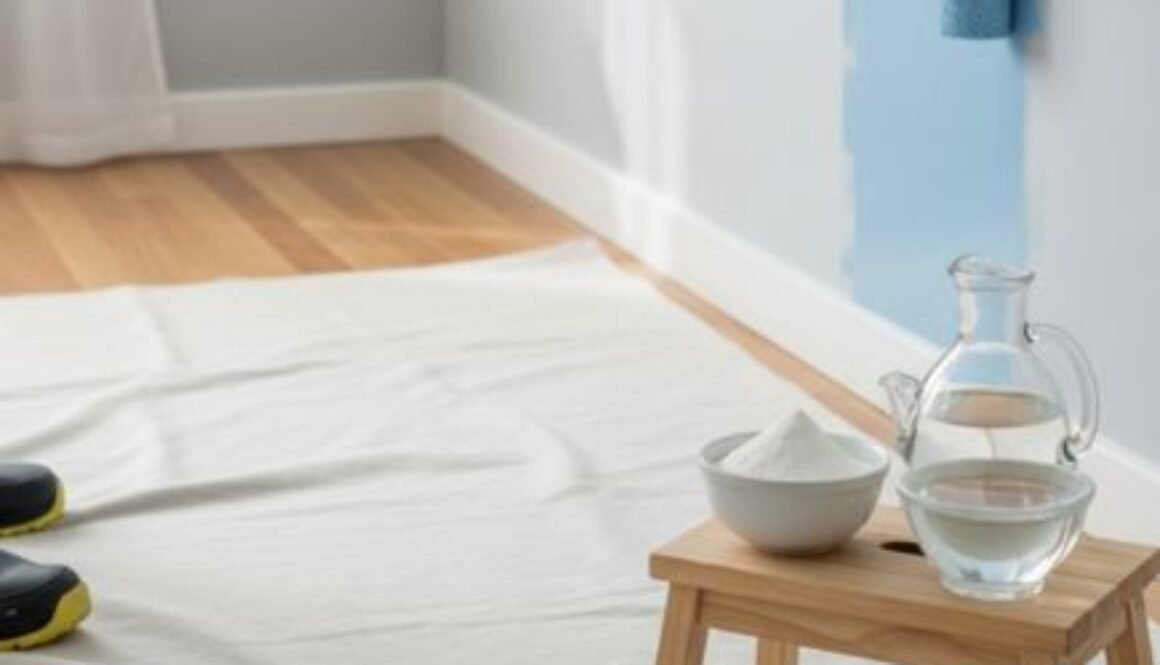
Failing to protect furniture, floors, and fixtures during painting can lead to stains, scratches, and costly damage. Some homeowners underestimate the mess involved and rely on minimal coverings. Professional painters use protective sheets, masking techniques, and careful movement planning to prevent damage. This approach maintains cleanliness and preserves the home’s interior throughout the project. Proper protection reflects professionalism and respect for the homeowner’s space.
Why Professional Planning Matters
Interior painting mistakes often reveal themselves months after completion. Peeling paint, uneven tones, and surface damage are usually the result of shortcuts taken earlier. Investing in professional painting services in Dubai ensures that every stage, from preparation to finishing, is handled with care and expertise.
Overlooking Final Inspection and Touch-Ups
Many painting projects conclude without a detailed final inspection. Minor imperfections, missed spots, or uneven lines remain unnoticed until furniture is rearranged or lighting changes. Professional painters conduct thorough walkthroughs to identify and correct these details. Touch-ups ensure that walls look consistent and polished from every angle. Final inspection is what separates average results from professional-quality finishes.
How Painting Mistakes Impact Property Value
Interior painting flaws affect more than aesthetics. Buyers and tenants associate visible paint issues with poor maintenance, raising concerns about the overall condition of the property. This can lower perceived value and slow down transactions.
Avoiding painting mistakes helps:
- Maintain a refined interior appearance
- Improve buyer and tenant confidence
- Support higher resale and rental value
Well-painted interiors contribute directly to a property’s market strength.
Final Thoughts
Interior painting should enhance comfort, appearance, and durability, not create recurring issues. Avoiding common mistakes requires experience, planning, and proper material selection. Choosing a reliable painting service in Dubai ensures that interior walls are prepared, painted, and finished to professional standards.
With skilled teams like Silver Painters Dubai, homeowners can enjoy long-lasting finishes, cleaner interiors, and peace of mind knowing their home has been painted the right way.
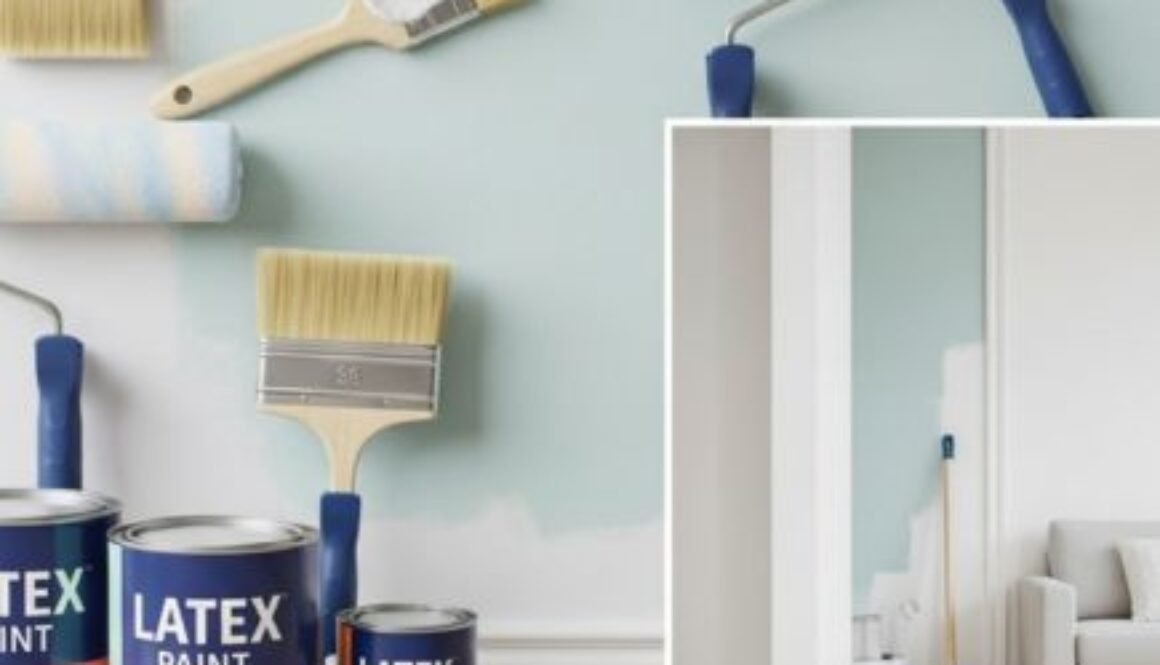
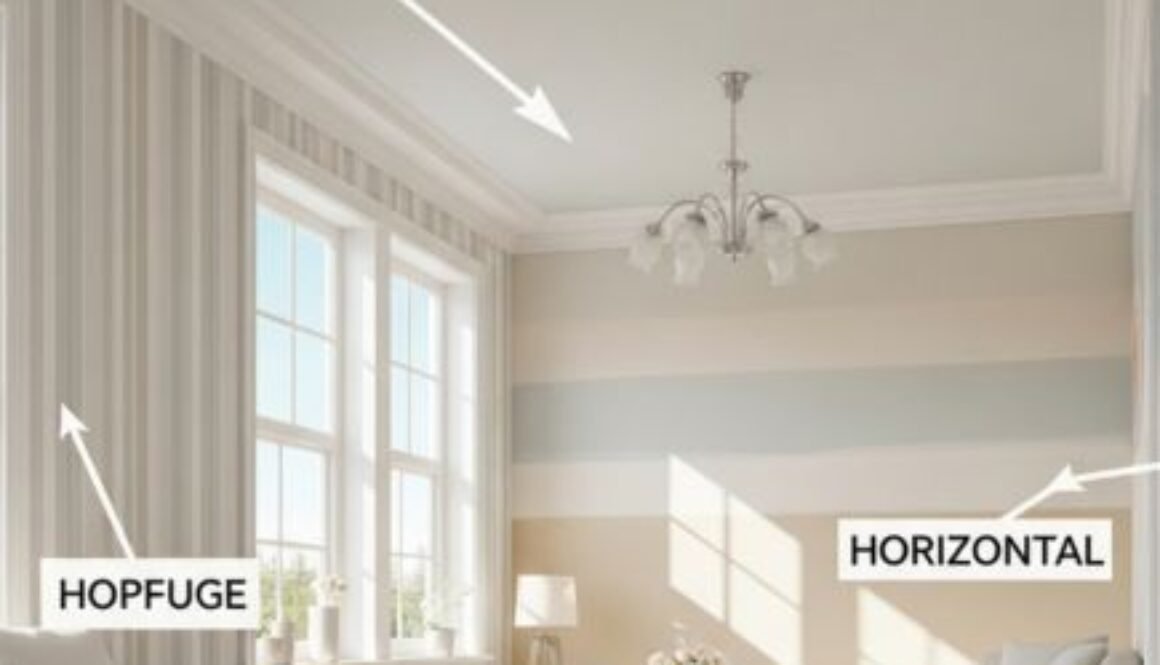
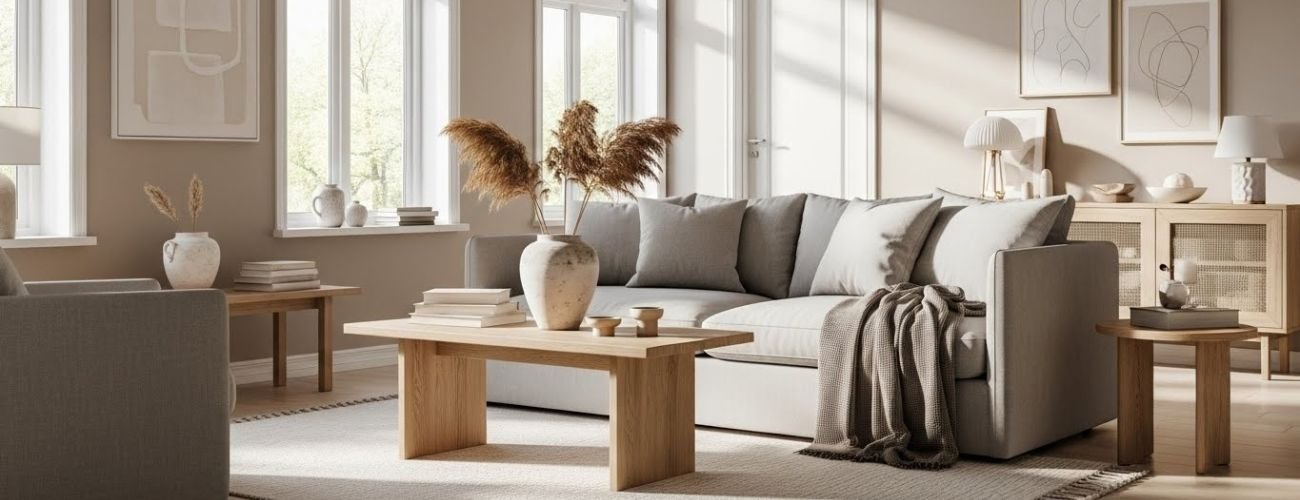
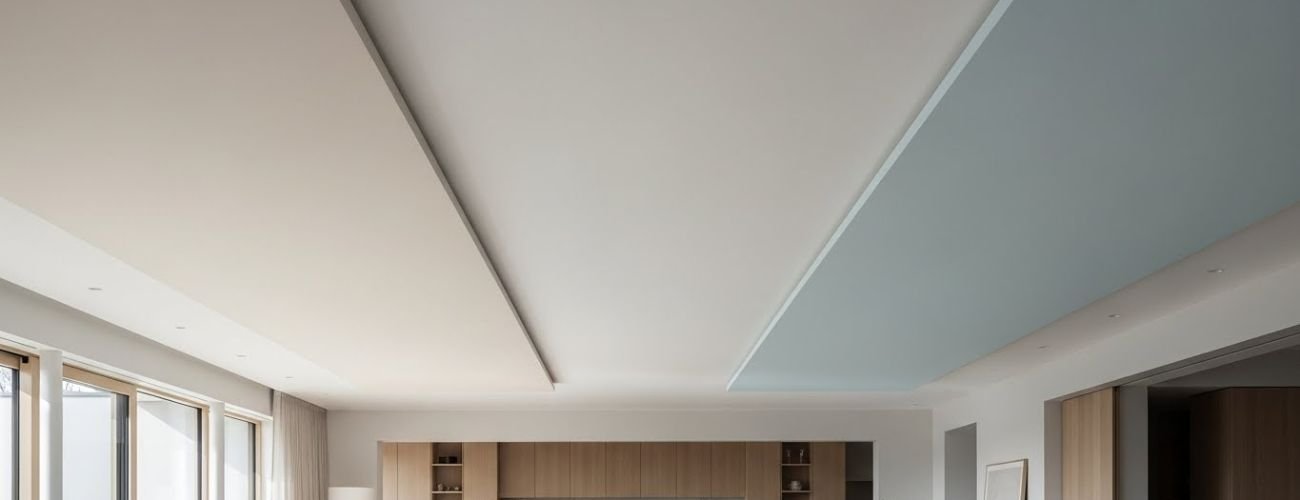
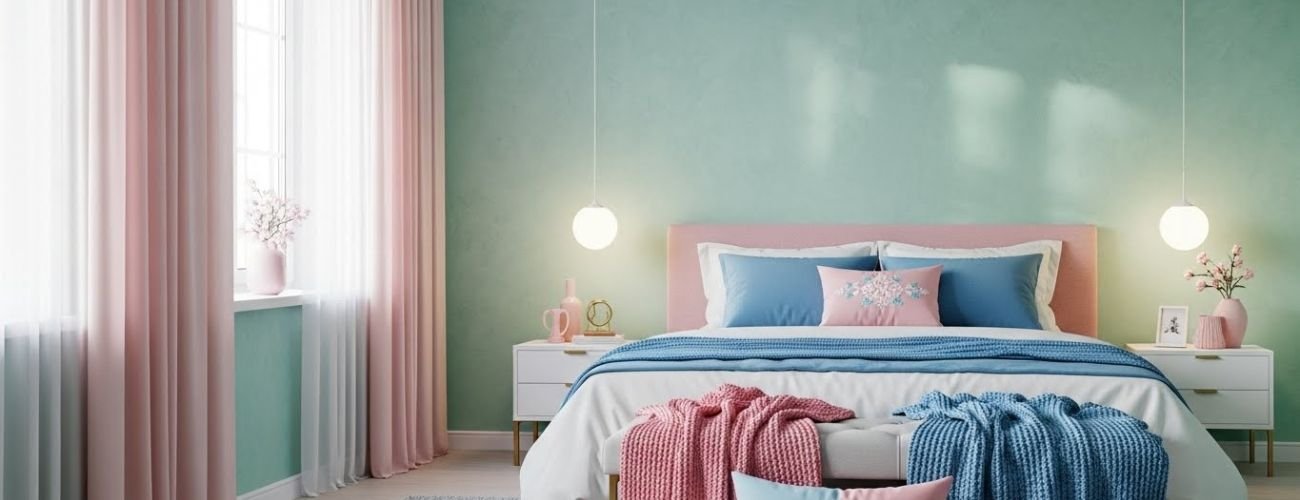 Soft pastels such as pale blue, mint green, or blush pink add subtle color while keeping the room light. They create a sense of airiness and make walls feel less confining. Pastels also help highlight architectural details without drawing attention to corners. Using pastel shades can make small rooms feel more playful and open at the same time.
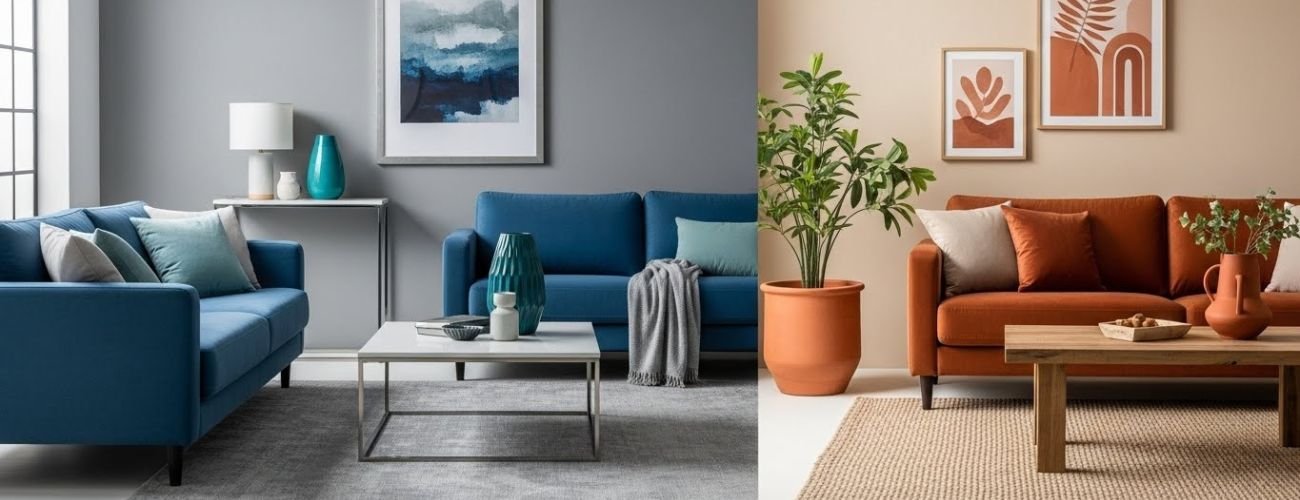 Cool tones like blues and greens make a room feel calmer and larger because they visually recede. Warm tones like soft yellows or light peach can make a room feel cozier but may slightly shrink the space. Balancing cool and warm shades strategically lets you create an inviting yet spacious feel. Using cooler shades for main walls often works best for small rooms.
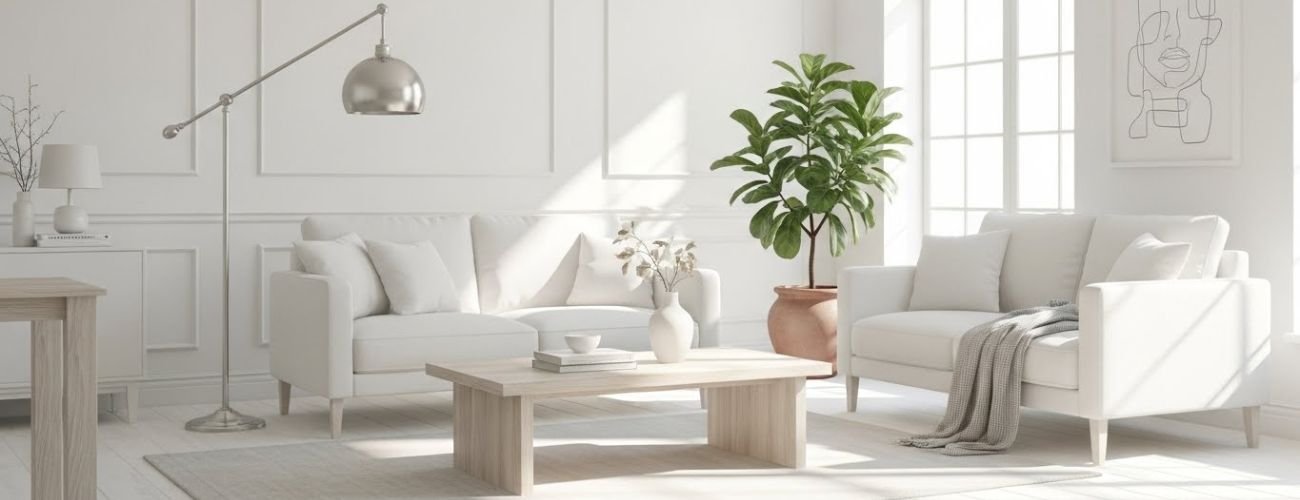 White reflects the most light, instantly brightening any room and creating the illusion of more space. Pairing white walls with light-colored ceilings enhances height perception. To avoid a sterile look, mix in textures or subtle accent colors. When used thoughtfully, white remains one of the most effective ways to make a room appear larger.